Ceramic Coating
What a ceramic coating really does (and what it doesn't)
A plain-English guide to ceramic coatings — how they bond to your paint, what they protect against, and the claims you should ignore.
1 min read
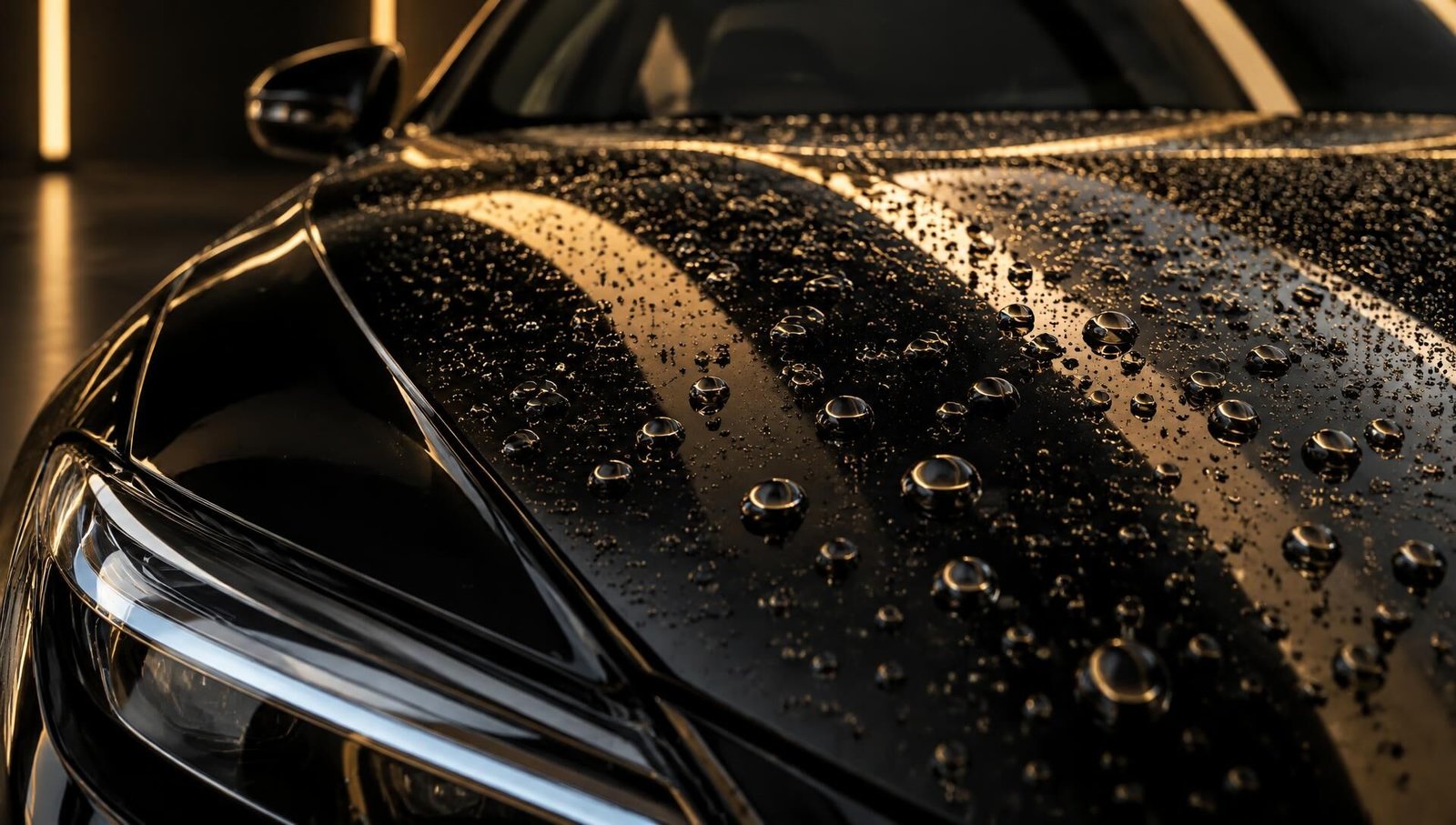
A ceramic coating is a liquid protection made mostly of silica (SiO₂). When it is wiped onto clean, polished paint, the carrier solvents evaporate and the coating bonds with the clear coat, curing into a thin, hard, transparent layer.
What it does well
- Repels water. Water beads up tightly and rolls off, taking loose dirt with it. This is the effect most owners notice first.
- Makes washing easier. Dust, mud and road film don't stick as firmly, so a gentle wash removes them with less rubbing — and less rubbing means fewer swirl marks.
- Resists the sun. A coating helps protect paint from UV fading and oxidation, which matters under the Nairobi sun.
- Shields against chemicals. Bird droppings, tree sap and acid rain have a harder time etching the clear coat.
- Keeps the gloss. The glassy layer keeps paint looking freshly polished for far longer than wax.
What it won't do
- It isn't scratch-proof. A 9H rating describes hardness, not invincibility. A coating resists light wash marring better than bare paint, but it will not stop stone chips, keys or parking knocks.
- It doesn't replace washing. Dirt still lands on the car. It just comes off more easily.
- It doesn't fix bad paint. A coating seals in whatever is underneath, which is why swirls and scratches should be polished out first.
Why preparation matters
The final result depends on what happens before the coating goes on: a safe wash, iron and tar decontamination, clay, and machine polishing. System X also requires vehicles older than three months to be machine polished before an accredited installer applies the coating and registers the warranty.
If you want to know which coating suits your car, compare the System X range or call the crew on +254 734 169925.
